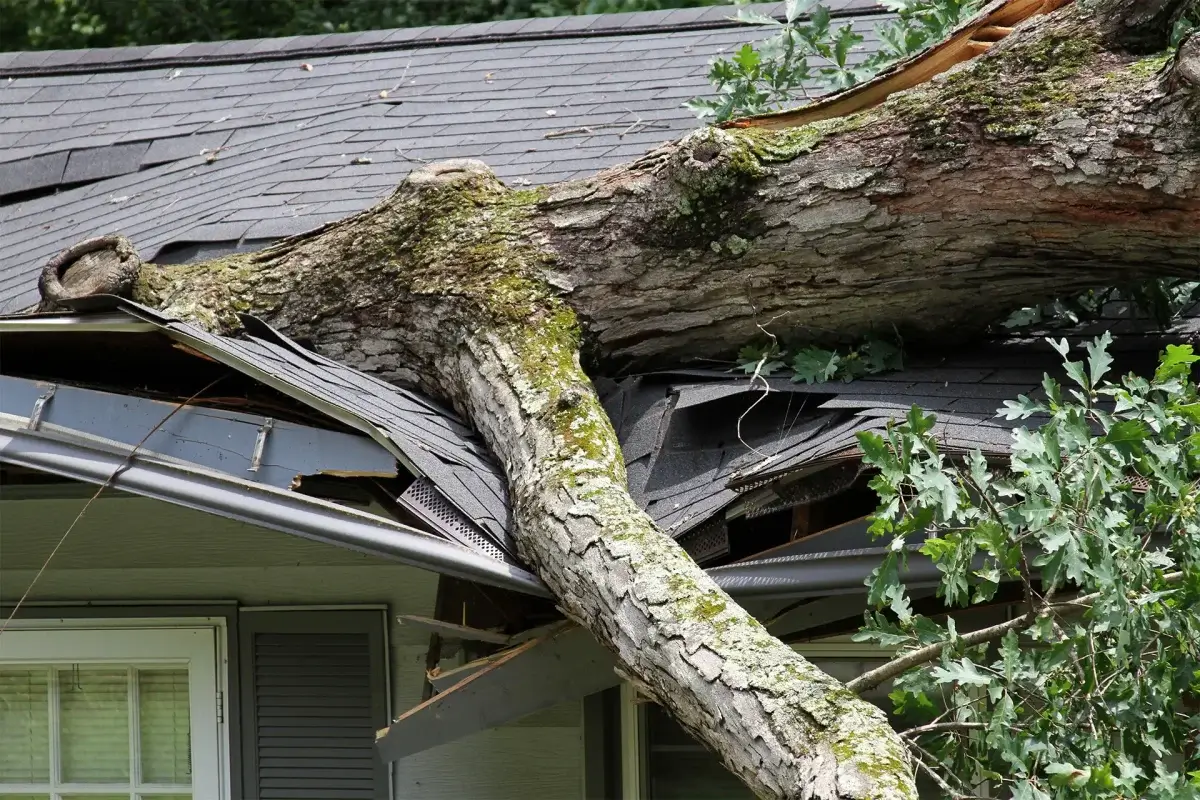
Tree damage liability in New Jersey depends on the tree’s condition, the property owner’s knowledge of hazards, and the circumstances of the incident. Understanding these factors helps both tree owners and damage victims navigate their legal rights and responsibilities.
The Foundation of Tree Damage Liability
Negligence Principles Apply
New Jersey applies negligence principles to tree damage cases:
- Duty of care – Property owners must maintain trees reasonably
- Breach of duty – Failure to address known or obvious hazards
- Causation – The negligence caused the damage
- Damages – Actual harm resulted
The Reasonable Care Standard
Property owners aren’t required to guarantee their trees won’t cause damage. They must act as a reasonable person would to:
- Inspect trees periodically
- Address visible hazards
- Respond to complaints
- Remove dangerous trees
When Property Owners Are Liable
Known Hazards
Clear liability exists when owners know about dangers:
- Dead trees they haven’t removed
- Diseased trees showing visible symptoms
- Trees damaged in previous storms
- Trees professionals warned about
Constructive Knowledge
Owners can be liable for hazards they should have known about:
- Obvious decay visible to anyone
- Extended time period where condition existed
- Patterns that regular inspection would reveal
- Common problems with that tree species
Prior Incidents
Previous problems create heightened responsibility:
- Tree dropped branches before
- Complaints from neighbors or tenants
- Near-misses or close calls
- Insurance claims on the tree
When Property Owners Are NOT Liable
Healthy Trees in Storms
Property owners typically aren’t liable when:
- A healthy tree fell during a severe storm
- No prior warning signs existed
- The tree was properly maintained
- Weather conditions were extraordinary
Acts of God
The “Act of God” defense applies when:
- Damage was truly unforeseeable
- No human negligence contributed
- Natural forces were the sole cause
- Reasonable care wouldn’t have prevented damage
However, Gill & Chamas has successfully overcome this defense in numerous cases. A $382,000 settlement was obtained when attorneys proved “the tree was old and should have been maintained and removed for safety reasons” despite claims that weather caused the fall.
Different Types of Property Owners
Residential Property Owners
Homeowners are responsible for:
- All trees on their property
- Trees near sidewalks and roads
- Trees affecting neighboring properties
- Trees near structures and vehicles
Commercial Property Owners
Businesses face heightened duties:
- Regular professional tree inspections
- Documented maintenance programs
- Prompt response to hazards
- Protection of customers and visitors
Landlords
Rental property owners must:
- Maintain trees on common areas
- Respond to tenant reports of hazards
- Include tree maintenance in property upkeep
- Ensure tenant safety from tree-related risks
Government Entities
Municipalities are responsible for:
- Street trees and trees in parks
- Trees on public property
- Trees affecting public roadways
- Trees near government facilities
A $575,000 settlement was obtained when a fallen tree blocked a roadway, demonstrating that government entities can be held accountable for failing to maintain trees on public property.
Proving Tree Damage Claims
Essential Evidence
Successful claims require documentation of:
- The tree’s condition before and after the incident
- The property owner’s notice of hazards
- Prior complaints or warnings
- Professional assessments of tree condition
- All resulting damages
Expert Witnesses
Complex cases often require:
- Arborists – To assess tree condition and care standards
- Engineers – For structural damage evaluation
- Contractors – To establish repair costs
- Economists – For lost income calculations
Preserving Evidence
Act quickly to:
- Photograph everything thoroughly
- Preserve pieces of the tree showing decay
- Obtain witness statements
- Request maintenance records
- Document weather conditions
Types of Recoverable Damages
Property Damage
Compensation for:
- Structural repairs to buildings
- Vehicle repair or replacement
- Fence and landscape restoration
- Personal property replacement
- Cleanup and debris removal
Personal Injuries
When tree accidents cause injuries:
- Medical expenses (current and future)
- Lost wages during recovery
- Pain and suffering
- Permanent disability
- Emotional distress
Economic Losses
Other financial impacts:
- Lost rental income
- Business interruption
- Diminished property value
- Temporary housing costs
Special Liability Situations
Trees on Property Lines
When trees straddle boundaries:
- Both owners may share responsibility
- Liability may depend on root location
- Maintenance duties may be shared
- Prior agreements affect responsibility
Utility Company Liability
Power companies may be liable when:
- Trees near power lines fall
- Utility has easement maintenance duties
- Company ignored reported hazards
- Improper trimming weakened the tree
HOA Liability
Homeowner associations may be responsible when:
- Trees are in common areas
- Association has maintenance duties
- Rules required owner action
- Association knew of hazards
Insurance Considerations
Property Owner’s Liability Coverage
Homeowners or commercial liability insurance typically:
- Covers negligence-based claims
- Pays for defense against lawsuits
- Has policy limits that cap recovery
- May deny claims for intentional acts
Victim’s Property Insurance
Your own insurance may:
- Cover your property damage
- Allow subrogation against negligent owners
- Have lower deductibles than lawsuit recovery
- Provide faster compensation
Statute of Limitations
New Jersey imposes strict deadlines:
| Claim Type | Time Limit |
|---|---|
| Personal injury | 2 years |
| Property damage | 6 years |
| Government claims | 90-day notice |
Missing these deadlines permanently bars your claim.
Protecting Yourself as a Property Owner
Proactive Maintenance
Reduce liability exposure by:
- Scheduling annual tree inspections
- Addressing hazards promptly
- Documenting all maintenance
- Responding to complaints seriously
- Carrying adequate insurance
Proper Documentation
Maintain records of:
- Professional inspections
- Maintenance work performed
- Removal of hazardous trees
- Correspondence about tree issues
- Insurance coverage
Filing a Tree Damage Claim
Steps to Take
- Document everything – Photos, videos, witness information
- Report to your insurance – Start your own claim process
- Identify the tree owner – Determine who’s responsible
- Send written notice – Formally notify the property owner
- Consult an attorney – Understand your legal options
Negotiating Settlements
Many claims resolve through:
- Direct negotiation with property owners
- Insurance company negotiations
- Mediation before litigation
- Demand letters and responses
When to Hire an Attorney
Legal help is important when:
- Significant damage occurred
- You suffered injuries
- Liability is disputed
- Government property is involved
- Insurance denies your claim
Gill & Chamas handles tree accident and property damage claims throughout New Jersey. With offices in Woodbridge and Howell, the firm serves clients in Middlesex and Monmouth counties.
Contact Gill & Chamas for a Free Consultation
Frequently Asked Questions
Is a property owner automatically liable if their tree causes damage?
No. Liability requires proving the owner knew or should have known the tree was hazardous and failed to take reasonable action. Healthy trees that fall in storms typically don’t create liability.
How do I prove a tree owner knew about a hazard?
Evidence includes prior complaints you made, visible signs of decay or damage, professional reports about the tree, and testimony from others who noticed the problem.
What if a city-owned tree causes damage?
You may have a claim against the municipality, but special rules apply. You must file a tort claim notice within 90 days and follow specific procedures.
Does it matter why the tree fell?
Yes. If a healthy tree fell due to severe weather, the owner typically isn’t liable. If the tree was already compromised, the owner may be responsible even if weather triggered the fall.
How long do I have to file a tree damage lawsuit?
Personal injury claims generally must be filed within 2 years. Property damage claims have a 6-year deadline. Claims against government entities require 90-day notice.