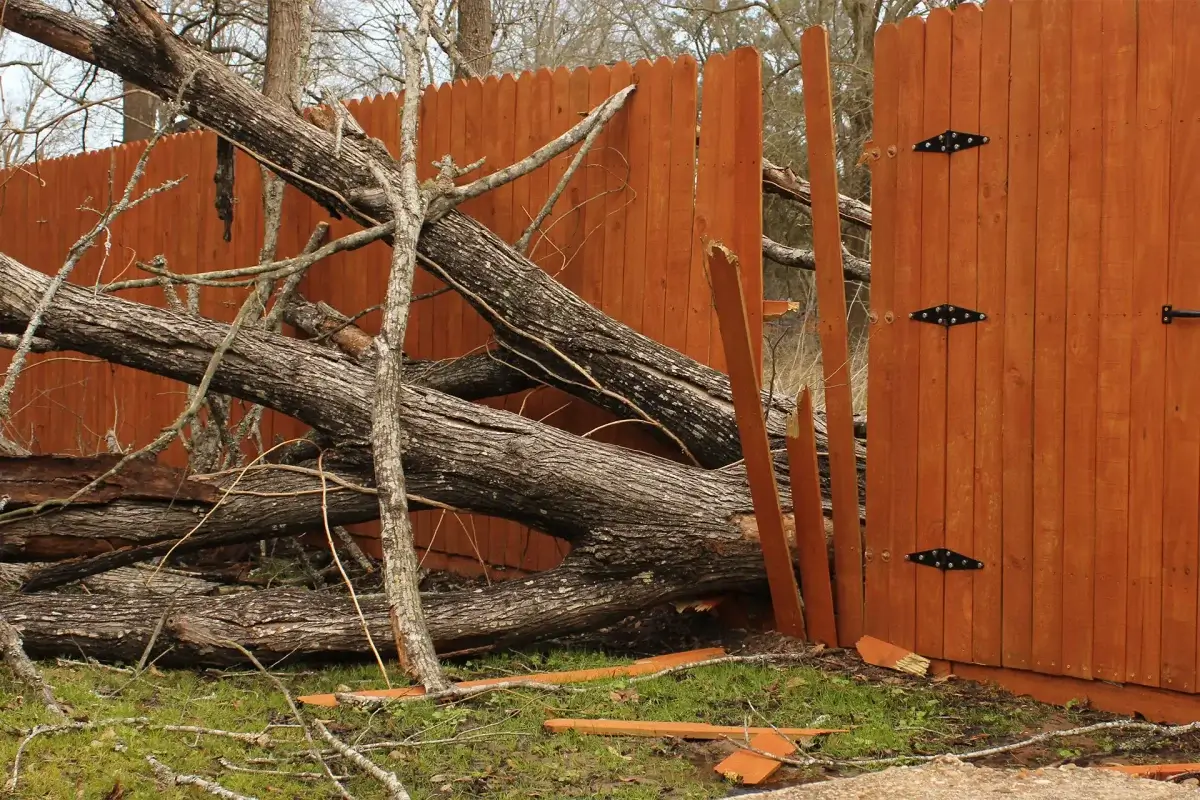
When a tree branch from your property falls and damages a neighbor’s home, car, or landscaping, determining financial responsibility depends on the branch’s condition before it fell and whether you had notice of potential problems. New Jersey law establishes clear principles for these disputes.
Understanding Branch Damage Liability in New Jersey
The General Rule
In most cases, if a healthy branch falls due to a storm or natural causes, the neighbor’s own homeowners’ insurance covers their damage. The tree owner is typically not liable for damages from healthy vegetation.
When the Tree Owner Becomes Liable
Liability shifts to the tree owner when:
- The branch was visibly dead, diseased, or damaged
- The owner received complaints about the overhanging branch
- A professional warned about potential hazards
- The branch was obviously unstable or cracked
- Previous similar incidents occurred
The Notice Requirement
The critical factor in most cases is whether the tree owner had “notice” of the dangerous condition:
Actual Notice – You directly knew about the problem
- Neighbor complained about the branch
- You saw visible damage or decay
- A professional warned you during tree service
Constructive Notice – You should have known about the problem
- Obvious signs visible to any reasonable person
- Branch was clearly dead or dying
- Extended time period where condition existed
Your Rights as the Property Owner with the Tree
Protecting Yourself from Liability
Take proactive steps to minimize your exposure:
- Regular inspection – Walk your property seasonally to check tree health
- Professional maintenance – Have trees trimmed by certified arborists
- Document conditions – Keep records of tree care and inspections
- Respond to complaints – Take neighbor concerns seriously
- Remove hazards – Address dead branches promptly
When You’re Not Responsible
You’re generally not liable when:
- A healthy branch fell during a storm
- The branch showed no signs of weakness
- You had no reason to anticipate the fall
- Weather conditions were extraordinary
Your Rights as the Damaged Neighbor
When You Can Seek Compensation
If a neighbor’s tree branch damaged your property, you may have a claim when:
- The branch was obviously dead or damaged before falling
- You warned your neighbor about the hazard
- A reasonable inspection would have revealed the danger
- The tree owner ignored visible warning signs
Documenting Your Claim
Gather evidence to support your case:
- Photographs – Document damage and branch condition
- Communication records – Prior complaints to the neighbor
- Witness statements – Others who noticed the hazardous branch
- Expert opinions – Arborist assessment of tree condition
- Weather data – Conditions at time of incident
Insurance Coverage for Branch Damage
The Neighbor’s Homeowners Insurance
When a branch falls on a neighbor’s property, their insurance typically responds:
- Dwelling coverage pays for structural damage to their home
- Other structures coverage covers fences, sheds, and detached garages
- Personal property coverage replaces damaged belongings
- Debris removal helps with cleanup costs
Your Homeowners Liability Insurance
If you’re found liable for negligence, your policy’s liability coverage may pay:
- Damage to the neighbor’s property
- Their medical expenses if anyone was injured
- Legal defense costs if sued
- Settlement or judgment amounts
Filing Insurance Claims
Both parties should:
- Report the incident promptly to their insurers
- Document all damage before cleanup
- Cooperate with insurance adjusters
- Keep copies of all correspondence
Personal Injuries from Falling Branches
When People Are Hurt
Falling branches can cause serious injuries:
- Traumatic brain injuries
- Spinal cord damage
- Broken bones
- Lacerations requiring surgery
- Psychological trauma
Gill & Chamas has recovered significant settlements in tree accident cases. A $575,000 settlement was obtained when a fallen tree caused injuries, demonstrating the serious nature of these accidents.
Compensation for Injuries
Injured parties may recover:
- Medical expenses (current and future)
- Lost wages during recovery
- Pain and suffering
- Permanent disability damages
- Loss of quality of life
Preventing Branch Damage Disputes
For Tree Owners
- Schedule regular tree care – Annual professional inspections
- Address overhanging branches – Especially those extending over neighbor’s property
- Remove dead wood – Don’t wait for problems
- Maintain communication – Discuss tree issues with neighbors proactively
For Neighbors Concerned About a Tree
If a neighbor’s tree concerns you:
- Document the condition – Photograph concerning branches
- Send written notice – Keep a copy of your communication
- Request action – Ask the neighbor to address the hazard
- Consult your rights – Understand what you can legally trim
Your Right to Trim Overhanging Branches
In New Jersey, you generally have the right to trim branches extending over your property line:
- You may trim up to the property line
- You must not damage the tree
- You cannot enter the neighbor’s property
- Disposal of trimmings is your responsibility
- Consider professional service for safety
Resolving Disputes Without Court
Communication First
Many branch damage disputes resolve through direct conversation:
- Approach your neighbor calmly
- Share documentation of the situation
- Propose reasonable solutions
- Consider splitting costs when appropriate
Mediation Options
If direct communication fails:
- Local community mediation programs
- County court mediation services
- Private mediators specializing in neighbor disputes
- Homeowner association involvement (if applicable)
When Litigation Becomes Necessary
Consider legal action when:
- Significant damage occurred due to negligence
- The neighbor refuses to address ongoing hazards
- Insurance doesn’t cover your losses
- Injuries resulted from the incident
Statute of Limitations
New Jersey imposes deadlines for legal claims:
- Personal injury claims – Generally 2 years
- Property damage claims – Generally 6 years
- Claims against municipalities – 90-day notice requirement
Don’t delay in consulting an attorney if you’re considering legal action.
When to Consult an Attorney
Seek legal advice when:
- Significant property damage occurred
- Anyone suffered injuries
- Liability is disputed
- Insurance denies coverage
- The dispute involves a government entity
Gill & Chamas has nearly 30 years of experience handling tree accident cases throughout New Jersey. The firm investigates every aspect of tree damage claims to identify all responsible parties and maximize compensation.
Contact Gill & Chamas for a Free Consultation
Frequently Asked Questions
If my tree branch damages a neighbor’s property, am I automatically liable?
No. If the branch was healthy and fell due to a storm or sudden event, your neighbor’s insurance typically covers the damage. Liability exists only when you knew or should have known the branch was hazardous.
Can I trim my neighbor’s tree branches that hang over my property?
In New Jersey, you generally have the right to trim branches extending over your property line up to the boundary. You cannot damage the tree or enter your neighbor’s property to do so.
What should I do if I’m worried about a neighbor’s tree?
Document your concerns with photographs, send written notice to your neighbor about the hazard, and keep copies of all communications. This creates evidence of notice if damage later occurs.
Does homeowners insurance cover branch damage to my property?
Yes, your homeowners insurance typically covers damage from fallen branches regardless of where the tree was located. Comprehensive auto coverage protects your car from tree damage.
How do I prove a branch was dead before it fell?
Photograph the branch’s condition after the fall, showing decay or disease. Gather witness statements from others who noticed the hazard. Consider hiring an arborist to assess the tree and branch condition.