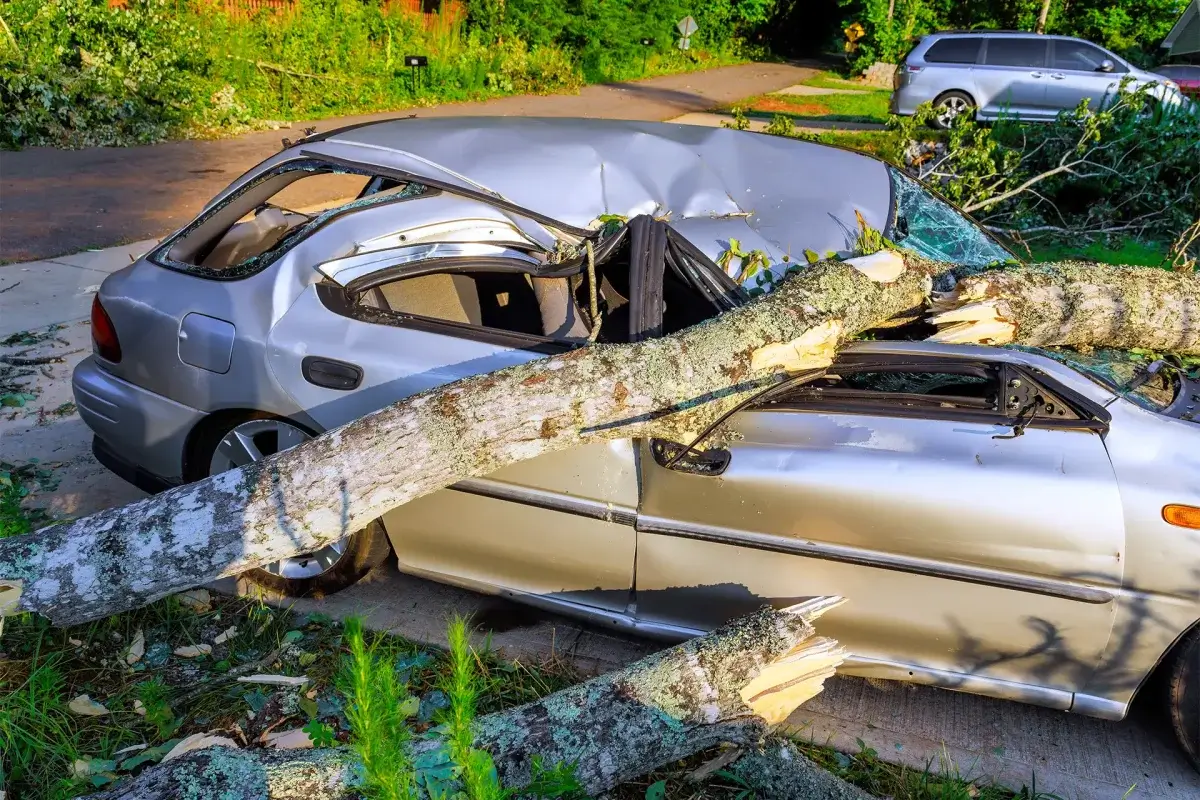
Spring storm season in New Jersey brings increased risks of injuries from fallen trees, flooding, power outages, and hazardous conditions. When negligence contributes to storm-related injuries, victims may have legal options to recover compensation.
Common Spring Storm Injuries in New Jersey
Fallen Tree and Branch Injuries
Spring storms weaken trees already stressed from winter:
- Trees falling on vehicles
- Branches striking pedestrians
- Trees crushing structures with occupants
- Debris causing accidents on roadways
Flooding and Water Damage Injuries
Heavy spring rains create dangerous conditions:
- Slip and fall accidents on flooded surfaces
- Drowning or near-drowning incidents
- Electrocution from submerged wiring
- Vehicle accidents in flooded roadways
- Injuries from debris carried by floodwaters
Power Outage Related Injuries
Storm-caused outages lead to:
- Carbon monoxide poisoning from generators
- Fire injuries from candle use
- Food poisoning from spoiled refrigerated items
- Injuries from lack of medical equipment power
- Accidents in darkened areas
Construction and Property Hazards
Spring storms reveal maintenance failures:
- Falling signs and awnings
- Collapsing structures
- Flying debris from construction sites
- Unsecured outdoor furniture and equipment
When Property Owners Are Liable for Storm Injuries
The Negligence Standard
Property owners aren’t automatically liable for storm injuries. Liability exists when:
- They knew or should have known about a hazard
- They failed to take reasonable preventive action
- Their negligence contributed to your injury
- You suffered actual damages
Pre-Storm Negligence
Liability often traces to conditions before the storm:
Hazardous Trees:
- Dead or dying trees not removed
- Diseased trees showing visible symptoms
- Trees damaged in previous storms
- Overhanging branches ignored despite complaints
Gill & Chamas has recovered significant settlements in tree accident cases. A $575,000 settlement was obtained when a fallen tree caused injuries, demonstrating that storm damage doesn’t excuse prior negligence.
Inadequate Drainage:
- Clogged gutters and drains
- Failed sump pumps
- Poor grading directing water toward structures
- Unmaintained stormwater systems
Deferred Maintenance:
- Loose roof materials
- Unsecured outdoor structures
- Damaged fencing
- Deteriorating awnings and signs
Post-Storm Negligence
Property owners have duties after storms:
- Inspect property for new hazards
- Warn visitors of dangerous conditions
- Make timely repairs
- Report hazards to appropriate authorities
- Maintain safe access to property
Municipal and Government Liability
Public Property Hazards
Government entities may be liable when:
- Street trees fell due to poor maintenance
- Roadway flooding from failed drainage
- Public building hazards injured visitors
- Warning systems failed to alert residents
- Emergency response was negligently delayed
Special Rules for Government Claims
Claims against New Jersey government entities require:
- Filing tort claim notice within 90 days
- Following specific procedural requirements
- Meeting particular proof standards
- Working within damage caps in some cases
Business Owner Responsibilities
Commercial Property Duties
Business owners must protect customers by:
- Inspecting property before and after storms
- Posting warnings about known hazards
- Closing unsafe areas
- Making timely repairs
- Maintaining emergency equipment
Premises Liability During Storm Season
Businesses face heightened duties during storm season:
- Monitor weather forecasts
- Prepare for anticipated conditions
- Act quickly when storms pass
- Document inspection and repair efforts
Proving Storm-Related Injury Claims
Essential Documentation
Build your case by documenting:
- Weather conditions and forecasts
- Pre-storm condition of property
- Post-storm damage and hazards
- Your injuries and medical treatment
- Witnesses to the incident
Overcoming the “Act of God” Defense
Defendants often claim storms are unforeseeable “acts of God.” Counter this by proving:
- The hazard existed before the storm
- Reasonable preparation would have prevented injury
- The storm was foreseeable
- Similar storms had occurred before
A Monmouth County case resulted in a $382,000 settlement when Gill & Chamas attorneys proved “the tree was old and should have been maintained and removed for safety reasons” despite claims that weather caused the fall.
Expert Testimony
Complex cases may require experts in:
- Arboriculture (tree condition and care)
- Meteorology (weather conditions and foreseeability)
- Civil engineering (drainage and flooding)
- Building inspection (structural safety)
Types of Compensation Available
Medical Expenses
Recover costs for:
- Emergency room treatment
- Hospitalization
- Surgery and procedures
- Rehabilitation
- Future medical care
Lost Wages
Compensation for:
- Time missed from work
- Reduced work capacity
- Lost earning potential
- Business income losses
Pain and Suffering
Non-economic damages for:
- Physical pain endured
- Emotional distress
- Loss of enjoyment of life
- Permanent disability
- Scarring and disfigurement
Property Damage
When storms damage your property:
- Vehicle repair or replacement
- Personal belongings
- Home repairs
- Temporary housing costs
Steps to Take After a Storm Injury
Immediate Actions
- Seek medical attention – Document all injuries
- Report the incident – To property owner, police, or appropriate authority
- Document everything – Photograph hazards and injuries
- Get witness information – Names and contact details
- Preserve evidence – Don’t discard damaged items
Protecting Your Claim
In the days following:
- Keep all medical records and receipts
- Follow treatment recommendations
- Avoid giving recorded statements without legal advice
- Document ongoing symptoms and limitations
- Consult an attorney about your rights
Statute of Limitations
Time Limits for Filing
New Jersey imposes strict deadlines:
| Claim Type | Deadline |
|---|---|
| Personal injury | 2 years from injury |
| Property damage | 6 years |
| Government claims | 90-day notice |
Why Timing Matters
Don’t delay because:
- Evidence disappears quickly after storms
- Witnesses’ memories fade
- Hazards may be repaired and conditions changed
- Missing deadlines bars your claim forever
Preparing for Spring Storm Season
As a Property Owner
Reduce your liability by:
- Inspecting trees for damage or disease
- Removing dead or hazardous trees
- Cleaning gutters and drains
- Securing outdoor items
- Documenting maintenance efforts
As a Resident
Protect yourself by:
- Knowing your insurance coverage
- Documenting your property condition
- Having an emergency plan
- Understanding your legal rights
- Acting quickly if injured
When to Consult an Attorney
Seek legal advice when:
- You suffered significant injuries
- A property owner’s negligence caused your harm
- Insurance claims are denied or undervalued
- Government property was involved
- Liability is disputed
Gill & Chamas handles tree accident and personal injury claims throughout New Jersey. With offices in Woodbridge and Howell, the firm serves clients in Middlesex and Monmouth counties.
With over $500 million recovered for New Jersey injury victims, Gill & Chamas has the experience to handle complex storm injury cases.
Contact Gill & Chamas for a Free Consultation
Frequently Asked Questions
Can I sue if I was injured by a tree that fell during a storm?
You may have a claim if the property owner knew or should have known the tree was hazardous before the storm. Weather doesn’t excuse liability when prior negligence contributed to the danger.
Is a property owner responsible for storm damage to my car?
Property owners may be liable if their negligence contributed to the damage. For example, if a dead tree they failed to remove fell on your car, they may be responsible regardless of the storm.
What if I was injured on city property during a storm?
You may have a claim against the municipality, but special rules apply. You must file a tort claim notice within 90 days and follow specific procedures.
How do I prove a property owner was negligent before the storm?
Evidence includes prior complaints, visible signs of hazards, maintenance records, and expert testimony about the condition of the property or tree before the storm.
What if my landlord’s failure to prepare for storms caused my injury?
Landlords have duties to maintain safe premises. If their failure to prepare for foreseeable storms caused your injury, you may have a claim against them.